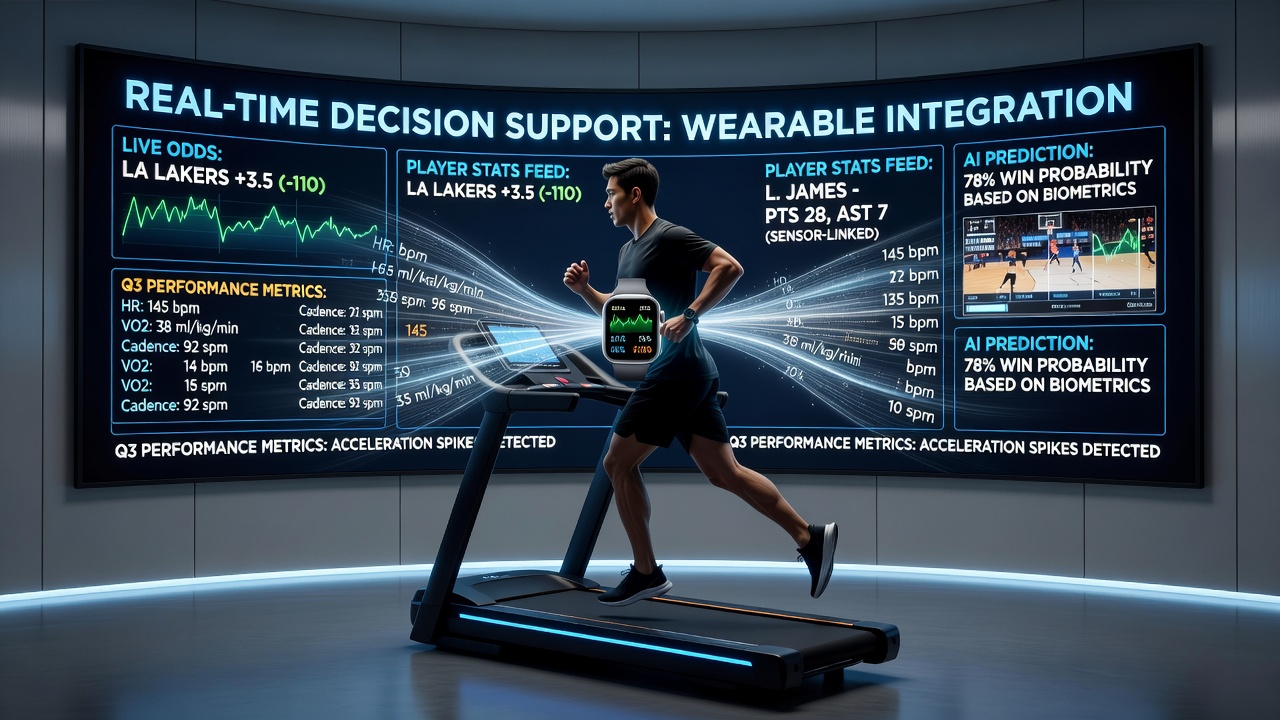
The Intersection of Wearable Device Sensors and Real-Time Decision Support in Digital Sports Wagering Sessions
Developers have integrated sensors from wearable devices into digital sports wagering platforms, where heart rate monitors, accelerometers, and skin conductance detectors collect physiological signals during betting sessions, and these inputs feed directly into algorithms that generate immediate recommendations or alerts for users. Observers note that such systems process data streams in milliseconds, allowing platforms to adjust displayed odds, suggest wager limits, or trigger responsible play notifications based on detected changes in user arousal or focus levels. Research indicates that biometric feedback loops first appeared in controlled pilots around major North American sports seasons, with similar expansions occurring across European and Australian markets by late 2025.
How Sensor Data Enters Betting Workflows
Smartwatch manufacturers supply raw outputs from optical heart rate sensors and electrodermal activity readers to licensed betting operators through secure APIs, while platform developers map those readings to decision trees that evaluate stress thresholds and attention patterns. One technical framework pairs accelerometer data showing fidgeting or rapid posture shifts with elevated heart rate variability, and the combined signal prompts the interface to display cooling-off timers or simplified bet options. Data shows these integrations rely on edge computing nodes that handle processing locally on user devices to meet latency requirements under one second, and regulatory filings from the Nevada Gaming Control Board confirm that operators must log all sensor-derived interventions for audit trails.
Engineers have documented cases where skin temperature fluctuations correlate with decision speed during live in-play wagering, and algorithms trained on aggregated anonymized datasets refine the timing of support prompts accordingly. Those who've examined the architecture note that consent layers require explicit user approval before any biometric stream activates, and platforms disable features automatically if connectivity drops below defined thresholds.
Real-Time Decision Support Mechanisms
Algorithms compare incoming sensor values against baseline profiles established during initial onboarding, and deviations trigger tiered responses ranging from subtle interface dimming to full-session pauses. Studies conducted at institutions including the University of Sydney have tracked how such prompts influence session duration and wager sizing in simulated environments, revealing measurable shifts when users receive biometric-informed alerts. Platforms incorporate machine learning models that update continuously from new session data, allowing the system to distinguish between excitement tied to game events and stress unrelated to play.
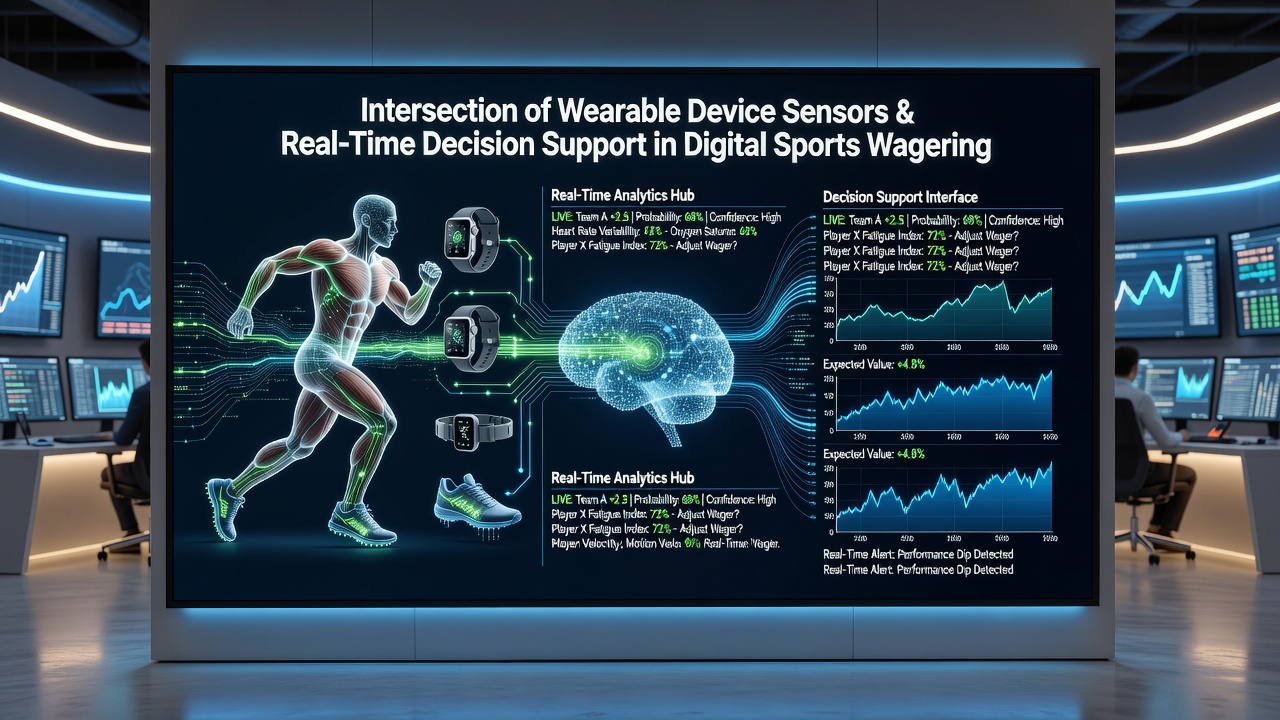
Operators in multiple jurisdictions report that these tools integrate with existing responsible gambling modules, and the combined stack meets requirements set by bodies such as the Malta Gaming Authority. What's interesting is how the same sensor streams that support wagering decisions also feed anonymized research datasets used to study broader patterns of user engagement across different sports and event types.
Regulatory and Technical Standards Emerging in 2026
Standards bodies have scheduled reviews for September 2026 that will address interoperability between wearable health devices and gambling systems, focusing on data minimization and encryption protocols. Current implementations already separate health metrics from betting account identifiers, and compliance documentation shows operators must obtain separate certifications for any feature that uses physiological inputs. Figures from industry reports indicate adoption rates rising steadily in markets where wearables penetration exceeds 40 percent among adults aged 25 to 45.
Engineers continue to refine latency handling so that real-time support remains available even during high-traffic periods such as championship finals, and testing protocols include simulated network congestion scenarios. People who manage these platforms emphasize that sensor data never determines wager outcomes or odds directly, but instead informs the presentation layer and user guidance tools.
Privacy Protections and Data Handling Practices
Frameworks require that all biometric information remains encrypted both in transit and at rest, while users retain the ability to revoke access at any moment without affecting core betting functionality. Audits performed by independent firms verify that raw sensor readings are not stored longer than necessary for immediate decision support, and aggregated trends alone contribute to model improvement. Observers note that cross-border data transfers follow region-specific rules, with additional safeguards applied when sessions span multiple regulatory zones.
Conclusion
Integration of wearable sensors with real-time decision support continues to evolve as hardware improves and regulatory expectations clarify ahead of the September 2026 reviews. Technical implementations demonstrate consistent patterns across tested markets, with sensor inputs serving strictly as inputs to advisory systems rather than outcome generators. Documentation from operators and researchers alike shows these capabilities rely on established privacy controls and performance benchmarks that keep support responsive during active wagering periods.